Trust Wallet: Your Complete Guide to Secure Self-Custody Crypto
The rise of self‑custody puts you in charge of your digital wealth, and Trust Wallet delivers on that promise with 200M+ users[trustwallet.com](https://trustwallet.com/) and a proven security track record (ISO certified, independently audited). This guide covers everything: safety, legality, how to set up your wallet (login, download, Chrome extension), and the privacy tech that keeps your activity untraceable — all rooted in the 'your keys, your crypto' philosophy.
What Makes Trust Wallet the Gold Standard in Self-Custody
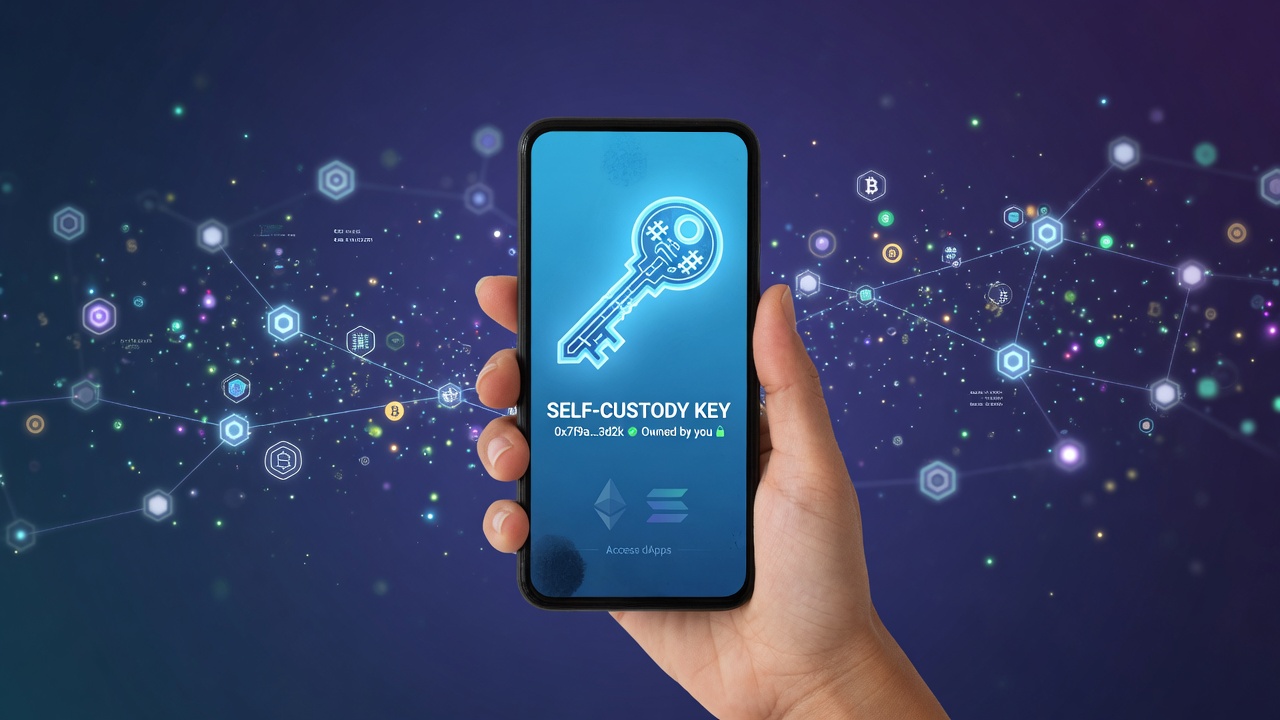
Unlike exchanges where a third party controls your funds, Trust Wallet is a self‑custody wallet: you alone hold your keys, encrypted on your device[trustwallet.com](https://trustwallet.com/security). Founded in 2017, it’s independently audited, ISO certified, and used by 200‑million+ people. With 100+ blockchains and millions of assets, you get a single, seamless interface for crypto, NFTs, and dApps. Download the app on mobile or as a browser extension—your gateway to Web3 that never tracks you and never asks for sign‑up.
Is Trust Wallet Actually Safe? Security Layers Decoded
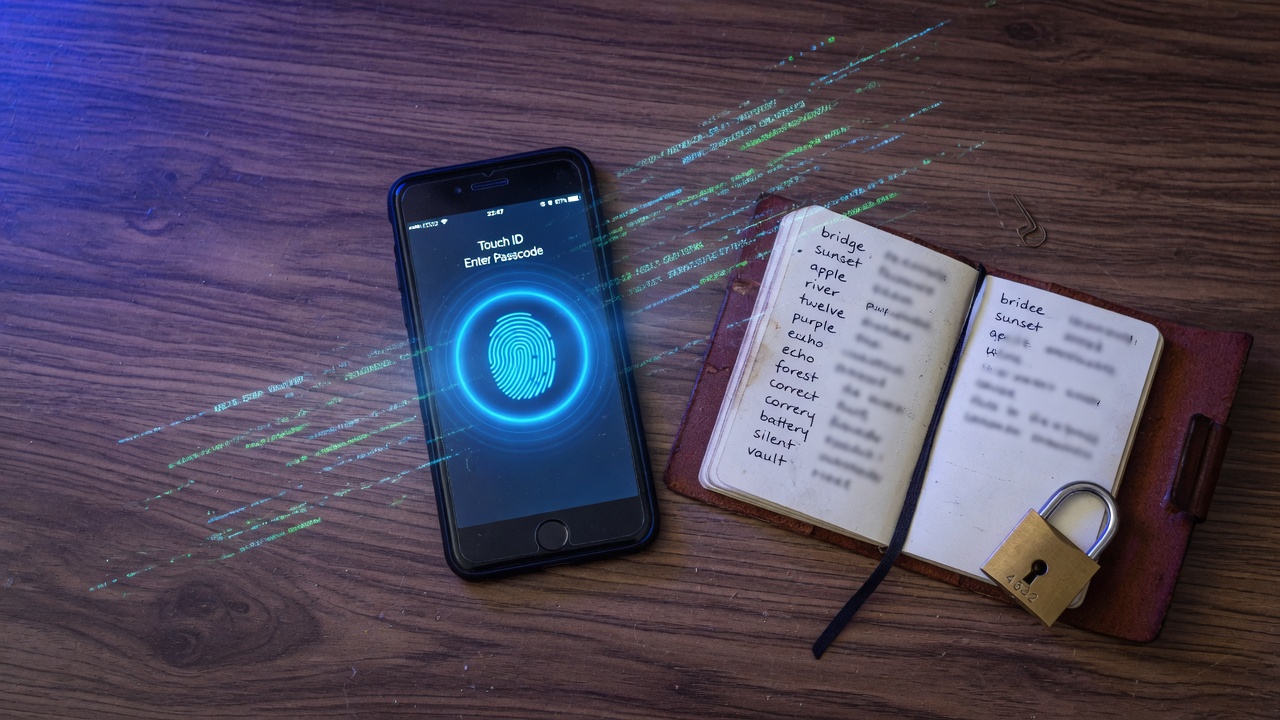
Trust Wallet’s security is robust because you control your private keys. They’re stored locally, encrypted with AES, and never leave your device[trustwallet.com](https://trustwallet.com/security). Turn on biometrics to lock unauthorized access.
Your 12‑word seed phrase is your wallet’s master recovery key—keep it offline and secret. The Security Scanner flags suspicious transactions and scams before you sign them[trustwallet.com](https://trustwallet.com/uk/blog/security/complete-overview-of-trust-wallet-security). Independent audits continuously test the code[trustwallet.com](https://trustwallet.com/security).
How to Get Started: Trust Wallet Download, Sign Up, and Login
Getting started with Trust Wallet takes just a few minutes. Begin with the official download: visit trustwallet.com/download or go directly to the Apple App Store for iOS or Google Play for Android. For Android users, an APK is also available from the official site, but always avoid third-party stores to prevent fake apps[trustwallet.com](https://trustwallet.com/blog/crypto-basics/what-is-trust-wallet-a-simple-guide-for-first-time-users). The mobile app download is free and requires no personal data.
To sign up, open the app and tap “Create a new wallet.” You’ll set a strong password and, optionally, enable biometric authentication (fingerprint or Face ID) for faster, secure login[trustwallet.com](https://trustwallet.com/blog/guides/the-official-beginners-guide-to-trust-wallet). Next, back up your 12‑word recovery phrase—manually on paper or encrypted to your Google Drive/iCloud. This phrase is your only restoration key; never share it.
For desktop, install the Trust Wallet browser extension on Chrome, Brave, Opera, or Edge from the official website. The setup mirrors mobile: create a wallet, back up your phrase, and use your password to unlock[trustwallet.com](https://trustwallet.com/blog/guides/the-official-beginners-guide-to-trust-wallet). Whether on phone or browser, you’re ready to explore Web3 securely.
Managing Your Portfolio: Deposits, Buys, and Withdrawals
Trust Wallet itself is a non‑custodial crypto wallet – it doesn’t hold fiat currency, so you can’t directly withdraw dollars or euros from it. Instead, you manage your digital assets and convert them to fiat through external services. To cash out, send your crypto from Trust Wallet to a centralized exchange like Coinbase or Kraken, then sell it and initiate a fiat withdrawal to your bank account. Conversely, you can buy crypto inside the app using a card or bank transfer: Trust Wallet integrates with third‑party on‑ramp providers, making it simple to purchase crypto with fiat and have it instantly land in your wallet. Once you receive tokens, you can exchange them via the built‑in native swap feature, which connects to decentralized exchanges and aggregators, all without leaving the app. Beyond trading, Trust Wallet lets you grow your holdings by staking supported coins directly from the wallet, earning rewards while keeping your keys secure.
The Unexpected Truth: Can a Trust Wallet Be Traced?
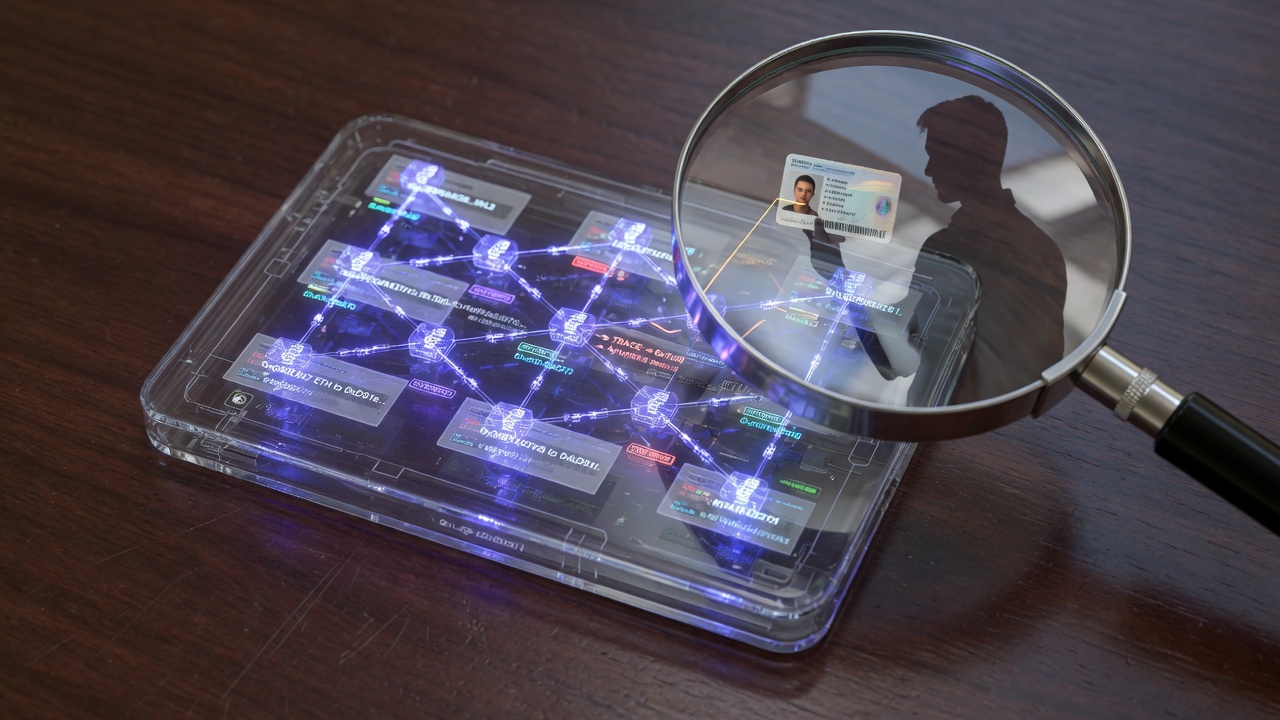
Trust Wallet doesn’t hide your activity—transactions are on a public ledger (blockchain), making addresses pseudonymous but fully traceable. Privacy disappears when you use a KYC exchange, linking your real identity to the wallet. It’s a transparent tool, not a cloak for illicit moves[trustwallet.com](https://trustwallet.com/security).
Is Trust Wallet Legal in the US? Navigating Regulations
Using a self‑custody wallet like Trust Wallet is entirely legal in the US. As a non‑custodial software, it does not hold user funds, so it is not classified as a money transmitter and doesn’t require federal or state money‑transmitter licenses. This fundamental distinction separates wallets from centralized exchanges that must comply with stringent regulations. However, Trust Wallet adheres to international sanctions obligations, blocking addresses flagged by OFAC (Office of Foreign Assets Control) to ensure compliance. Users remain fully responsible for tracking and reporting any taxable events (e.g., capital gains or losses) under IRS rules, as the wallet is a neutral tool with no built‑in tax filing features.
Building on Trust: A Community-Powered Ecosystem
Beyond security, Trust Wallet is powered by community governance. TWT token holders vote on development decisions, shaping the roadmap. The open-source codebase invites global contributions, ensuring transparency and continuous improvement. This collaborative model turns users into active ecosystem participants[trustwallet.com](https://trustwallet.com/).
Troubleshooting Common Trust Wallet Login and Connection Issues
Can’t login to the Trust Wallet extension? Make sure you’re using the official browser extension from trustwallet.com and the latest version is installed. If Wallet Connect isn’t linking your DApp to mobile, rescan the QR code after checking both devices are on the same network. For seamless mobile-browser sync, always use the in-app QR code scanner. Simple troubleshoot steps: update the app, restart your browser, and wait out network congestion—most issues resolve in minutes.
Frequently asked questions
Is Trust Wallet actually safe?
Yes, Trust Wallet is safe because it’s non‑custodial: you own your keys, encrypted locally. It’s ISO certified, independently audited, and trusted by over 200 million users. Enable biometrics and never share your seed phrase.
Can I withdraw money from a Trust Wallet?
Trust Wallet doesn’t hold fiat, so you can’t withdraw cash directly. To withdraw funds, send your crypto to an exchange, sell it for USD/EUR, and transfer the proceeds to your bank account.
Is Trust Wallet legal in the US?
Yes, Trust Wallet is legal in the US. As a non‑custodial software wallet, it never holds your funds, so it isn’t classified as a money transmitter and doesn’t need federal or state money‑transmitter licenses. While the wallet itself doesn’t require KYC, you’re still responsible for reporting crypto transactions according to IRS rules—just like any other self‑custody tool.
Can a Trust Wallet be traced?
A Trust Wallet address itself is pseudonymous — it functions like a digital pseudonym on a public ledger. Once you send or receive funds, the transaction is permanently stored on its respective blockchain and can be viewed by anyone using a block explorer. This makes the flow of assets fully traceable. However, privacy effectively ends when you connect your identity through a centralized exchange with KYC requirements, linking your personal information to the wallet address [trustwallet.com](https://trustwallet.com/security). The wallet doesn't actively trace you, but the transparent design of blockchain technology means your on-chain actions are never hidden.
How do I download and sign up for Trust Wallet on Android?
To download Trust Wallet on Android, go to the Google Play Store and search for “Trust Wallet” to install the official app, or visit trustwallet.com to get the verified APK[trustwallet.com](https://trustwallet.com/). After opening the app, tap “Create a new wallet” to sign up. You’ll be asked to back up your 12‑word recovery phrase—write it down on paper and store it securely offline, as this is your only way to restore your wallet. Once confirmed, your self‑custody wallet is ready for use.
What is the Trust Wallet Login Chrome extension?
The Trust Wallet Login Chrome extension is simply the official Trust Wallet browser extension for Chrome, which you download from the trustwallet.com site. Once installed, it lets you connect to DeFi platforms and Web3 apps directly from your desktop without needing your mobile device every time. Instead of a traditional username-and-password login, you either import an existing wallet using your 12-word secret recovery phrase or create a new one. For day-to-day access, you’ll confirm transactions and unlock the extension with a secure password or biometrics, keeping your private keys encrypted on your local machine [trustwallet.com].
Where can I find the official Trust Wallet APK?
You should only download the Trust Wallet APK directly from the official website at trustwallet.com/download [trustwallet.com](https://trustwallet.com/download). This is the sole trusted source for the Android package to guarantee you're installing the authentic, independently audited software. Avoid third-party app stores or random web links at all costs, as fake APKs are a common vector for malware designed to steal your crypto.
For an extra layer of safety, you can verify the APK's file signature against the one published by the Trust Wallet team before installation. Once downloaded, make sure your Android device permits "Install from Unknown Sources" only for that specific, verified file, and consider turning the setting back off right after to minimize future risks.